**Parimala Ranganathar Temple **
Temple Overview
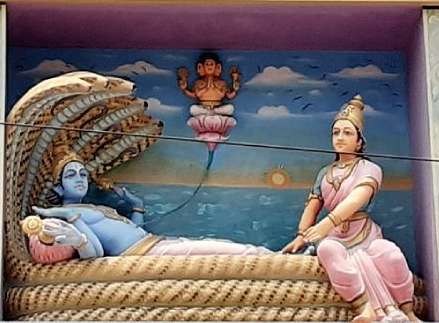
Parimala Ranganathar Temple is a revered Divya Desam located in Thiruindalur, Mayiladuthurai, on the banks of the sacred River Kaveri. Part of the Pancharanga Kshetrams, this temple is famous for Lord Vishnu in Bhujanga Sayanam (reclining posture) and is associated with multiple legends:
- Chandra (Moon God) regaining his brilliance after a curse
- King Ambarishan completing his 100th Ekadashi with divine protection
- Thirumangai Alvar receiving darshan after an argument and composing hymns
Devotees visit to seek blessings, relief from doshas, and spiritual upliftment.
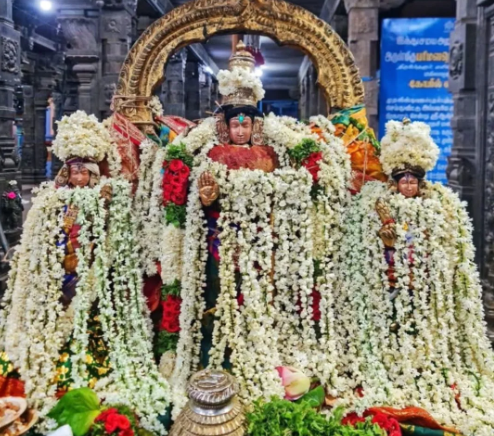
Main Deities & Temple Details
- Moolavar (Presiding Deity): Sri Parimala Ranganathar (Lord Vishnu)
- Utsavar: Sri Ranganathar
- Thayar (Divine Consort): Sri Parimala Ranganayaki Thayar
- Theertham (Sacred Tank): Indu Pushkarini
- Place: Thiruindalur, Mayiladuthurai, Tamil Nadu
- Divya Desam: Part of the Pancharanga Kshetrams
Bhujanga Sayanam – Reclining Posture
Lord Vishnu is worshipped in Bhujanga Sayanam, symbolizing eternal calm, protection, and readiness to bless His devotees.
Unique Features:
- The Lord holds the Shankha (conch) and Chakra (discus) in His hands even while reclining.
- The deity is also worshipped by Sun, Moon, and Brahma in specific positions:
- Chandra (Moon God): Worships the face of the Lord, symbolizing lunar blessings and devotion.
- Surya (Sun God): Worships the feet of the Lord, representing energy, vitality, and cosmic order.
- Brahma (the Creator): Worships the navel of the Lord, signifying creation, knowledge, and reverence.
This arrangement shows that all cosmic forces honor Lord Vishnu here, highlighting the supremacy, protection, and sanctity of this Divya Desam.
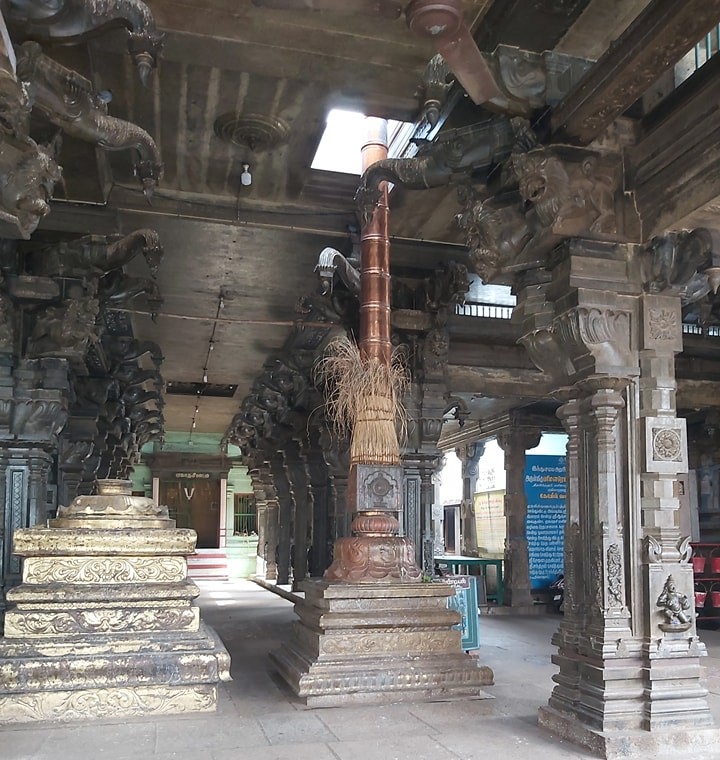
Why the Place Is Called Thiruindalur?
The name Thiruindalur comes from:
**“Tiru” ** – Sacred or holy
“Indu” – Moon (another name for Chandra)
“Alur” – Place or village
🔹 Meaning: “The Sacred Place of the Moon”
Thus, Thiruindalur commemorates the exact spot where Chandra attained redemption through Lord Vishnu’s grace.
Temple Legends
1. Chandra (Moon God) and the Curse
Chandra, the Moon God, married the 27 daughters of Daksha Prajapati, who represent the 27 Nakshatras. Among them, Chandra showed special love to Rohini and ignored the others. Hurt by this unequal treatment, the remaining wives complained to their father. Daksha warned Chandra many times, but blinded by pride and attachment, he did not change. Angered by this behavior, Daksha cursed Chandra to lose his brightness, due to which the Moon began to fade periodically. Chandra then prayed to Lord Shiva, who reduced the curse so the Moon would wax and wane instead of disappearing completely. Still seeking peace, Chandra came to Thiruindalur and worshipped Lord Vishnu. Pleased with his devotion, the Lord appeared here as Parimala Ranganathar and restored Chandra’s brilliance. Because the Moon was relieved of his curse at this Divya Desam, the place came to be known as Thiruindalur, the sacred place of the Moon.
2. King Ambarishan and the 100th Ekadashi
King Ambarishan, a noble ruler from the Solar Dynasty, was one of the greatest devotees of Lord Vishnu mentioned in the Puranas. He ruled his kingdom with dharma and dedicated every action of his life to Bhagavan. Known for his strict observance of Ekadashi fasting, he undertook a vow to complete 100 Ekadashis. On the final Ekadashi, after fasting and prayers, he prepared to break the fast on Dwadashi at the proper time. At that moment, Sage Durvasa arrived unexpectedly. To honor the guest and still complete his vow, the king sipped a few drops of water after consulting scholars. Misunderstanding this act, Durvasa became angry and created a powerful spirit to harm the king. Ambarishan remained calm and prayed to the Lord, who immediately sent the Sudarshana Chakra to protect His devotee. This incident shows that Lord Vishnu always protects those who follow dharma with true faith.
3. Thirumangai Alvar and the Closed Temple
Thirumangai Alvar, one of the twelve Azhvar saints, visited the Parimala Ranganathar Temple at Thiruindalur seeking darshan of Lord Vishnu. When he arrived, the temple doors were closed, and he could not see the Lord. Though a great poet, he did not sing immediately. As time passed, he felt troubled and believed that the Lord was hiding from him. In frustration, he said that if the Lord did not wish to give darshan, the temple could remain closed for Him alone. Even then, the doors did not open. The Lord then spoke and questioned why the Alvar could sing in praise of other Divya Desams even without visiting them, but hesitated to sing here. Understanding the Lord’s intention, Thirumangai Alvar composed ten pasurams praising Parimala Ranganathar. After this, the Lord granted him darshan, and these hymns became part of the Divya Prabandham, glorifying Thiruindalur as a sacred Vaishnava shrine.
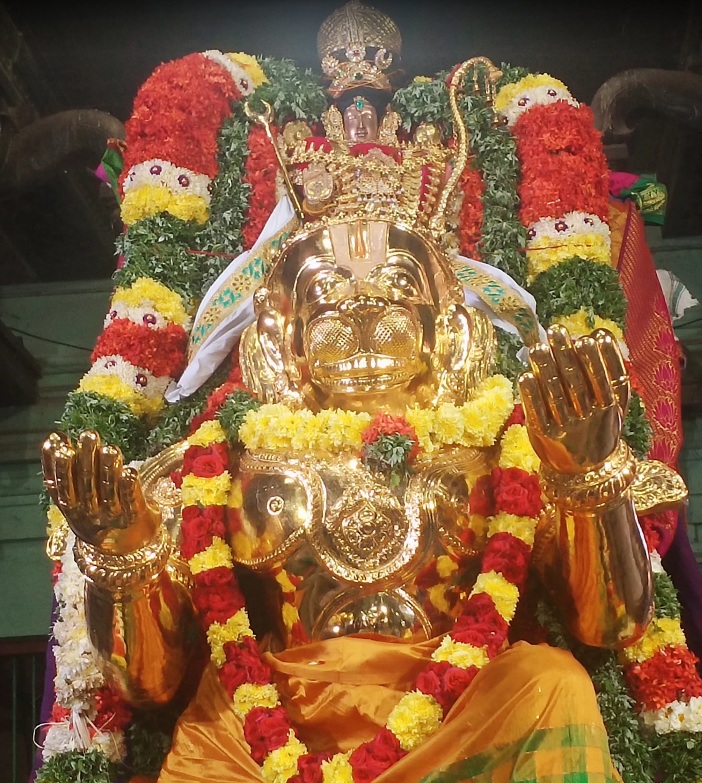
Additional Features & Spiritual Significance
- Divya Desam Status: Glorified by Thirumangai Alvar, part of the Pancharanga Kshetrams.
- Sacred Tank: Indu Pushkarini, for lunar blessings and Chandra Dosha remedies.
- Unique Iconography: Vishnu holds Shankha and Chakra while reclining, flanked by Sun, Moon, and Brahma in specific positions.
- Festivals: Vaikunta Ekadashi, Chandra-related pujas, and daily Vaishnava rituals.
- Architecture: Dravidian style with mandapams, prakaram, and sculptures depicting Chandra, Ambarishan, and Azhvars.
- Spiritual Importance: Relief from doshas, protection, devotion, and grace.
- Pilgrimage Connectivity: Accessible from Mayiladuthurai and Kumbakonam; part of a Pancharanga Kshetram tour.
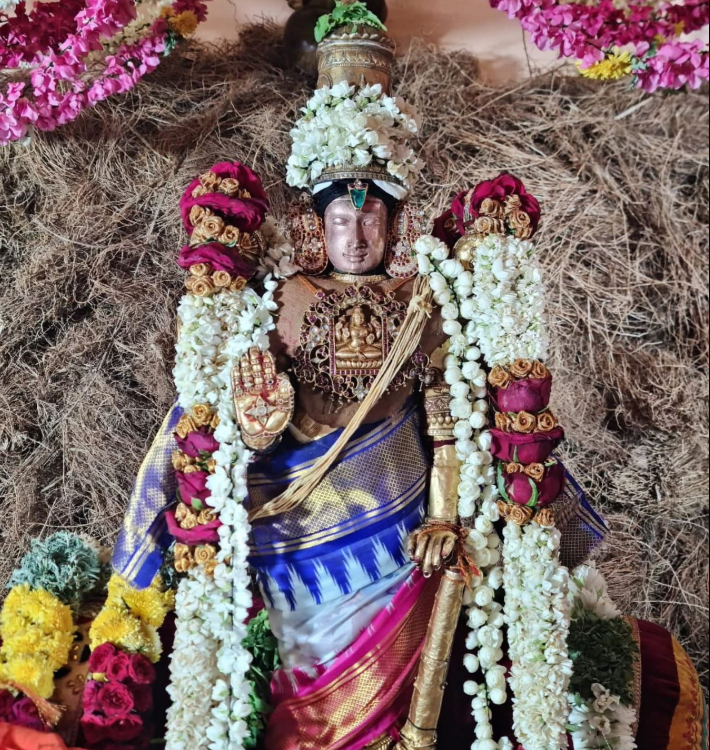
Temple Timings
- Morning: 7:00 AM – 12:00 PM
- Evening: 5:00 PM – 8:00 PM
(Please verify timings before visiting)
Temple Contact
- Temple office : 04364 329045, 04364 223330
Visiting Thiruindalur Temple
- Location: Thiruindalur, Mayiladuthurai, Tamil Nadu
- Famous For: Chandra legend, 100th Ekadashi protection, Thirumangai Alvar darshan, Bhujanga Sayanam
- Deities: Lord Parimala Ranganathar with Parimala Ranganayaki Thayar
- Sacred Tank: Indu Pushkarini
A visit to Parimala Ranganathar Temple is more than a pilgrimage—it is a journey through devotion, divine protection, and grace, where every devotee experiences the Lord’s compassion personally.
. Comments
Loading comments...